BRAND ACTIVATION STRATEGY: HOW COMMUNITY-BASED EVENTS DRIVE FOOT TRAFFIC AND EVENT ENGAGEMENT
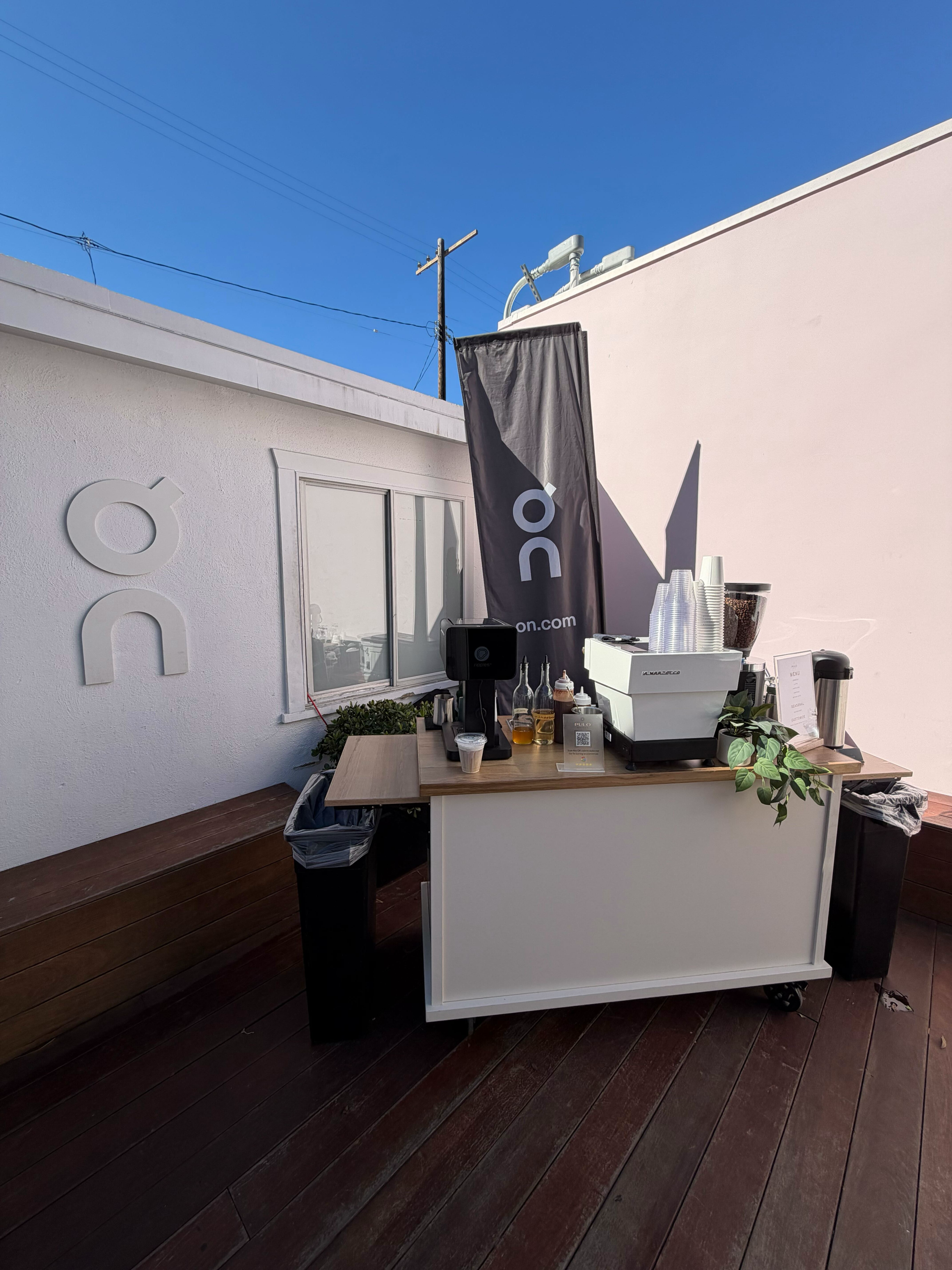
Brands are no longer winning attention with one-off promotional events.
In 2026, the strongest brand activations are rooted in community. Instead of trying to pull in random foot traffic, brands are partnering with existing groups, fitness collectives, run clubs, creative studios, and lifestyle communities that already have trust and built-in engagement.
Foot traffic alone is not the goal anymore.
When brands align with communities, attendance feels organic, authentic, and the experience becomes something people want to talk about and share.
Here’s why community-based brand activations are driving stronger results than traditional event formats.
What Is a Community-Based Brand Activation?
A community-based brand activation is an experiential event built around an existing audience rather than a cold, general public crowd.
Instead of hoping people walk by and stop, brands collaborate with:
Fitness studios
Run clubs
Wellness collectives
Creative communities
Retail partners
These events feel less like marketing and more like shared experiences.
According to Forbes, experiential marketing continues to outperform traditional advertising because it creates direct, immersive brand interaction rather than passive exposure:
https://www.forbes.com/councils/forbescommunicationscouncil/2024/12/17/beyond-the-digital-noise-rethinking-engagement-in-a-saturated-landscape-with-experiential-marketing/
When a brand integrates into a community setting, it benefits from the credibility and energy that community already holds.
Why Community Activations Create Stronger Engagement
Built-In Trust
Communities trust the organizer. When a brand partners thoughtfully, it borrows that trust.
Instead of feeling like a sponsored interruption, the activation feels like an enhancement.
Targeted Audience
Random foot traffic can inflate numbers but dilute results.
Community-based events attract people who already align with the lifestyle, interests, or values the brand represents. Engagement quality increases because the audience is intentional.
Higher Dwell Time
People stay longer when they feel connected to the group.
Longer dwell time means:
• More meaningful conversations
• More brand touchpoints
• More social sharing
• Higher likelihood of post-event action
Research consistently shows that people value experiences over material touchpoints, especially when shared with others. The University of Texas at Austin highlights how experiential spending leads to stronger emotional impact than transactional purchases:
https://news.mccombs.utexas.edu/research/to-combat-loneliness-buy-experiences-not-things/
Community-based activations lean into that psychology.
How Community Partnerships Drive Foot Traffic Naturally
When a fitness studio hosts a branded class or a run club collaborates with a retail partner, attendance doesn’t rely on paid ads alone.
People show up because:
They already attend regularly
They trust the organizer
They want to be part of the group
The brand becomes part of something people were already planning to attend.
This approach shifts activation strategy from “How do we attract strangers?” to “How do we deepen engagement within aligned communities?”
It is a different mindset and a more sustainable one.
Looking to create a branded coffee experience at your next activation? See how our brand activation coffee cart works in practice.
The Role of Interactive Elements in Community Activations
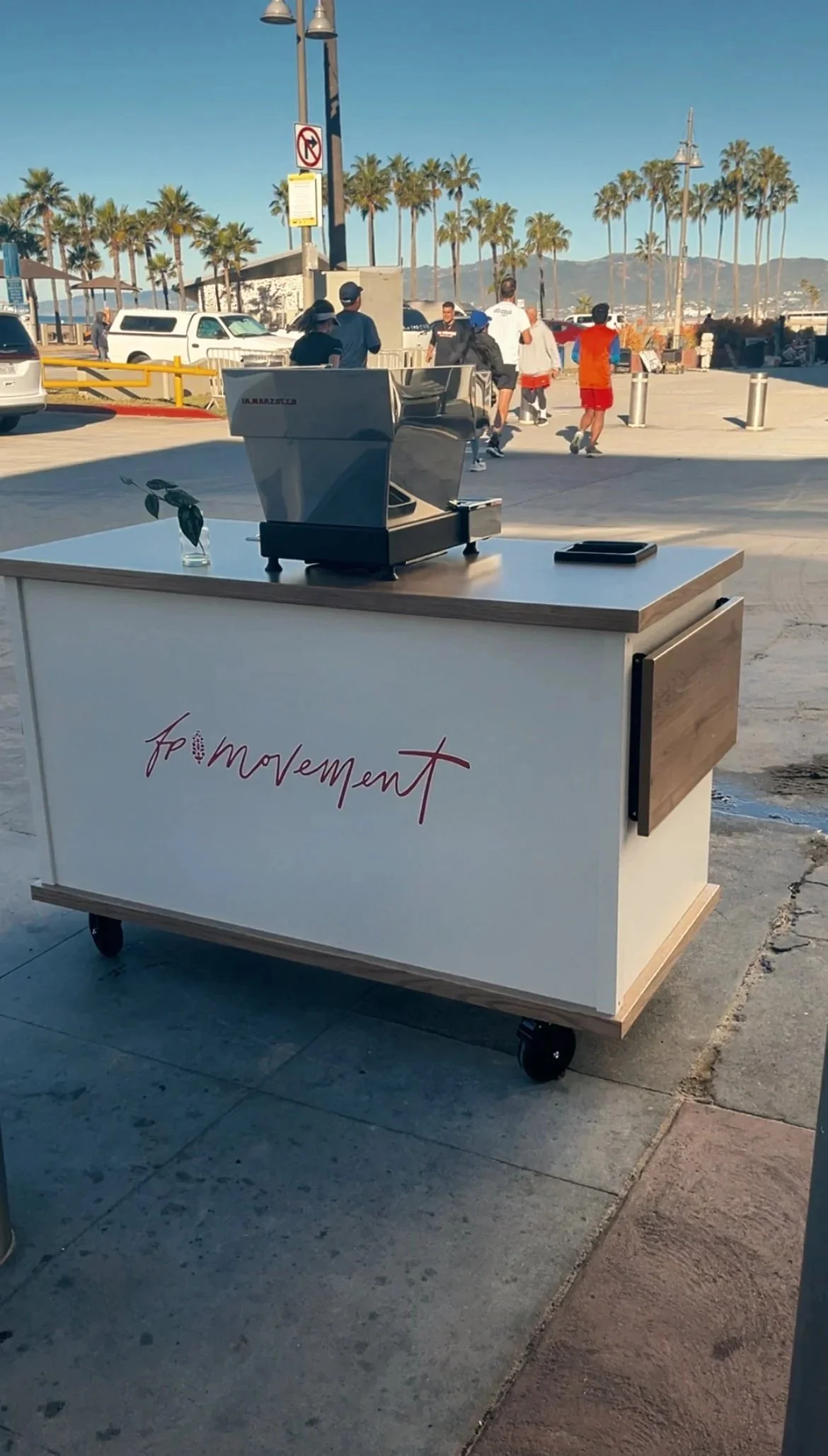
Even strong communities need a focal point.
Interactive elements give guests something to gather around, photograph, and remember.
This can include:
Custom-branded environments
Interactive sampling stations
Live personalization
Sensory experiences
Hospitality moments often become the anchor of the activation. A well-designed beverage experience, for example, creates a natural gathering point that encourages conversation and dwell time.
We break down how experiential elements increase engagement in more detail in our guide on trade show activation strategy, where we discuss how interactive components influence behavior and attention flow.
When integrated correctly, these elements feel like part of the brand story.
What Brands Can Learn From Recent Community Activations
Across fitness collaborations, retail partnerships, and lifestyle events, the most successful activations share a few traits:
They are aligned with the audience.
They feel intentional.
They prioritize interaction over spectacle.
They are designed for social sharing without forcing it.
When done well, guests do not describe the event as “a marketing event.” They describe it as a great experience.
That distinction matters.
How to Design a Community-Based Brand Activation That Converts
If you are planning a brand activation, consider these principles:
Partner with a community that genuinely aligns with your brand values.
Design the experience around participation, not just observation.
Create a focal interaction point that increases dwell time.
Keep the activation visually cohesive and on-brand.
Measure success beyond attendance numbers. Look at engagement quality and follow-up behavior.
For brands planning budgets and evaluating activation ROI, our breakdown of coffee cart catering costs can help you understand how experiential elements compare to traditional event spend.
Community-based activations are about connection.
A More Strategic Way to Approach Brand Activations
As experiential marketing continues to evolve, brands are shifting toward smaller, more intentional gatherings that create stronger emotional impact.
Community is the multiplier.
When a brand integrates thoughtfully into an existing community event, foot traffic feels purposeful. Conversations feel organic.
At Pulo Coffee, we partner with brands and experiential teams to design hospitality-driven touchpoints that elevate community-based activations without overpowering them. Our mobile setups, custom branding capabilities, and interactive beverage experiences are built to function as an extension of your brand environment.
If you are planning a community-driven brand activation and want to design an experience that increases engagement and dwell time, start the conversation here:
