Event Logistics: The Details That Make or Break an Event
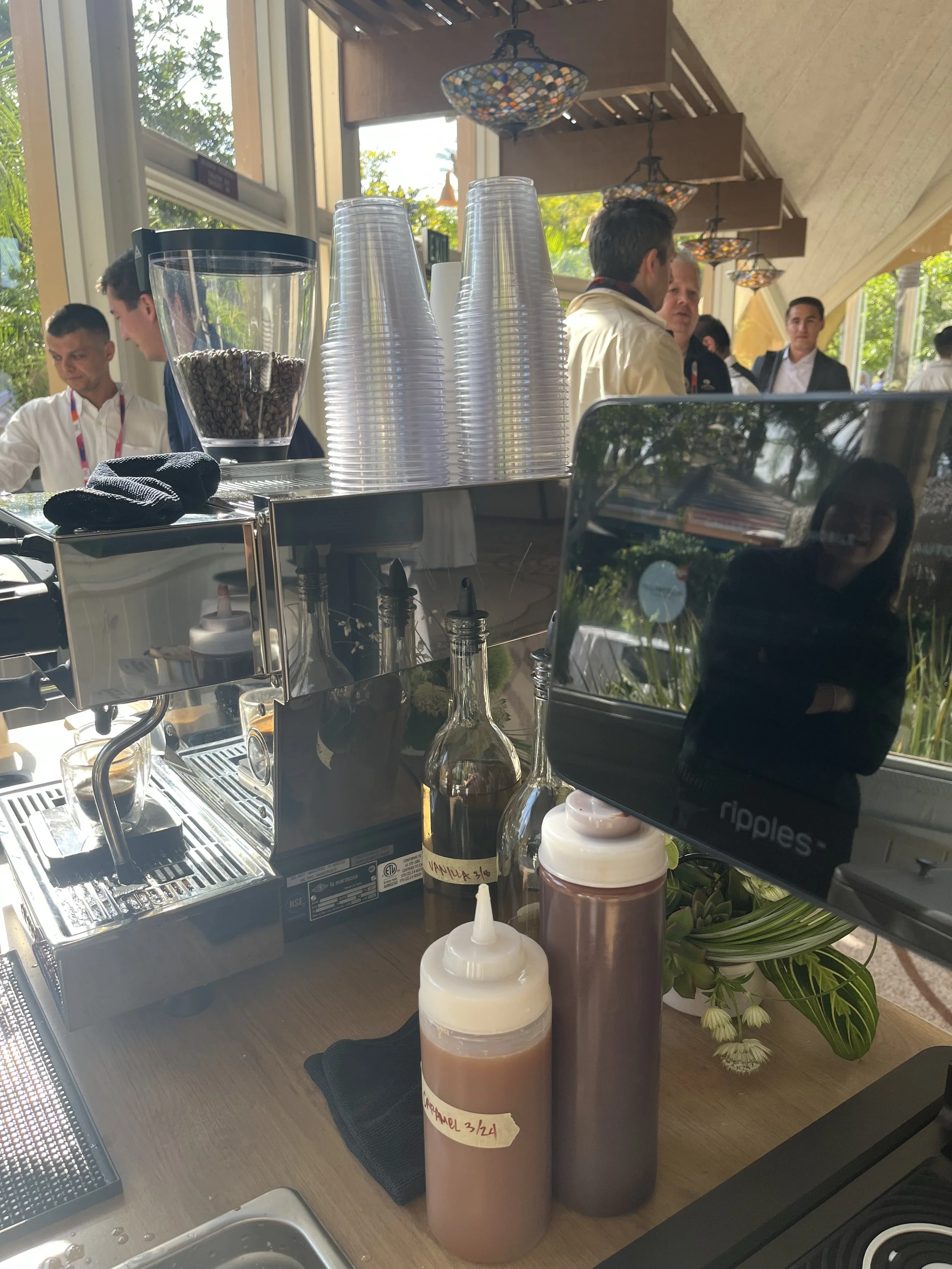
Guests arrive, grab a drink, talk with friends or colleagues, and move through the experience naturally. Everything feels smooth and easy… right?
What most people don’t see is the layer underneath: the logistics.
Power access, load-in timing, vendor coordination, space planning, guest flow. These details rarely make it into event photos, but they’re often the difference between a seamless experience and a stressful one.
After working tons of events across corporate offices, brand activations, production sets, and community gatherings, we’ve learned that the most memorable events aren’t just well designed. They’re well executed.
Here are some of the event logistics that planners often underestimate and why they matter more than people think.
Logistics Are What Turn Ideas Into Real Experiences
Most events begin with a creative vision.
Maybe it’s a brand activation, a company appreciation event, a retail collaboration, or a community gathering. The concept might include beautiful design, engaging programming, or an exciting guest list.
But creative ideas only succeed when the operational details support them.
Logistics determine whether vendors can set up smoothly and whether service happens at the right pace.
Event professionals often say that successful events are equal parts creativity and operations. According to Engineerica, operational planning and logistics coordination are among the most critical components of successful event execution.
https://www.engineerica.com/conferences-and-events/post/event-logistics/
When logistics are handled well, guests never notice them. When they’re overlooked, they quickly become the most visible part of the event.
Power and Infrastructure Are Often Overlooked
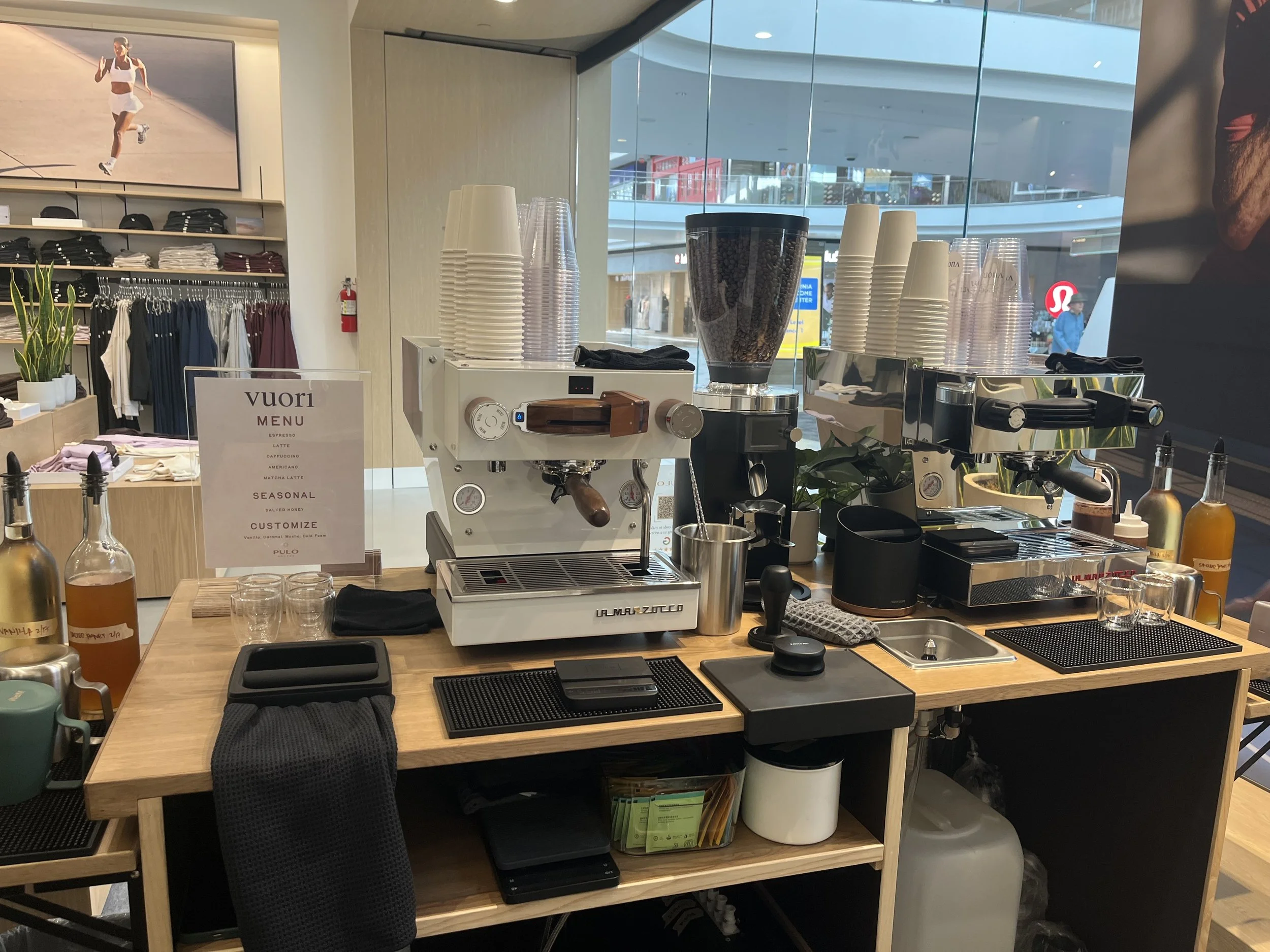
One of the most common logistical challenges at events is something surprisingly simple: power.
Many event vendors rely on electrical infrastructure to operate equipment. That can include lighting, AV setups, food service equipment, and specialty experiences.
Small details can have a big impact:
• Where outlets are located
• Whether the circuit is dedicated
• How far the equipment is from the power source
If these details aren’t confirmed ahead of time, the result can be delays, setup adjustments, or equipment interruptions.
Experienced planners usually confirm these details with venues before vendors arrive. It’s one of the simplest ways to prevent day-of surprises.
Load-In Access and Setup Timing Matter More Than People Expect
Guests rarely think about how vendors actually enter an event space.
But behind the scenes, vendors often navigate freight elevators, loading docks, security check-ins, parking restrictions, and tight setup windows.
A beautiful event setup can require dozens of small steps before guests arrive.
If load-in instructions are unclear or setup timing is too compressed, even the best vendors can struggle to get everything in place.
Events tend to run most smoothly when planners build in:
• clear vendor arrival instructions
• realistic setup windows
• communication between venue staff and vendors
These details help everyone focus on the experience rather than scrambling through logistics.
Guest Flow Can Shape the Entire Event Experience
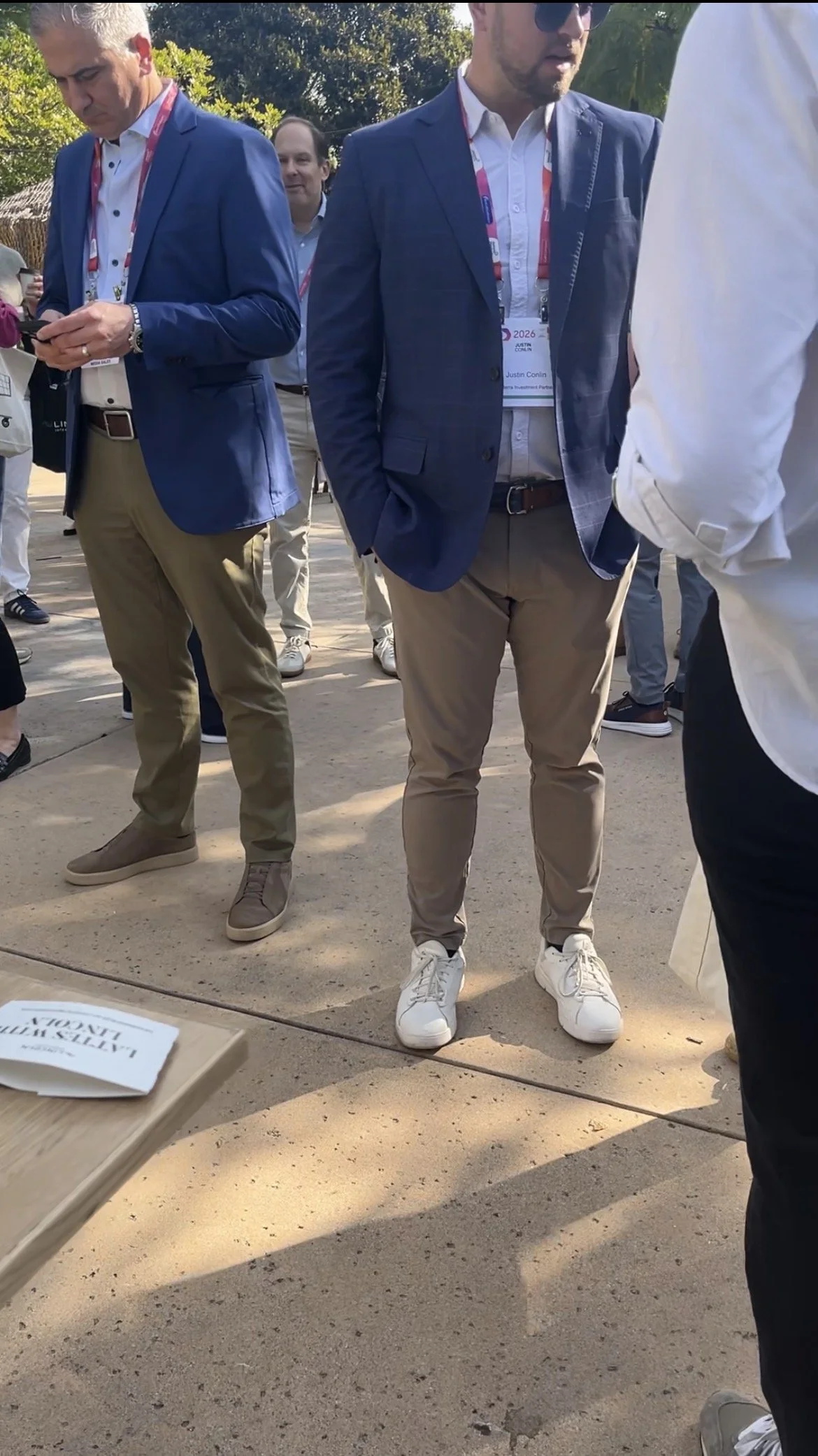
Another logistical detail that’s easy to underestimate is guest flow.
Even beautifully designed events can feel chaotic if movement through the space isn’t considered.
Planners often think about:
• where guests enter
• where they gather
• where interaction points happen
Strategically placing gathering points or hospitality stations can naturally guide how guests move through the environment.
In our guide on trade show coffee strategy, we talk about how thoughtful placement of interactive elements can dramatically increase dwell time and engagement.
When event layout supports conversation and interaction, the event feels more natural and welcoming.
Vendor Coordination Is Often the Most Important Piece
Most events involve multiple teams working together:
• venue staff
• catering teams
• brand representatives
• photographers
• production teams
• event planners
Without coordination, even experienced vendors can end up working against each other.
Clear communication before the event helps ensure that timelines align and setups don’t overlap.
The most successful events tend to have vendors who understand not only their own responsibilities but also how they fit into the overall flow of the event.
When everyone is aligned, the experience feels effortless for guests.
If you're planning a corporate event in Los Angeles, learn more about our corporate coffee cart catering and how we handle events of all sizes.
Why Experienced Vendors Help Simplify Event Logistics
One advantage of working with experienced event vendors is that they’ve seen a wide range of event environments.
Different venues come with different constraints. Office buildings operate differently than retail stores. Production sets move at a different pace than corporate gatherings.
Experienced vendors often anticipate details like:
• space limitations
• power requirements
• setup timing
• guest flow
This allows planners to spend more time focusing on the creative and strategic side of the event.
If you’re evaluating vendors for an upcoming event, we break down several operational factors to consider in our post on how to choose the best coffee cart catering in Los Angeles, including questions planners often ask before booking.
Great Events Feel Effortless Because Logistics Are Handled Well
Guests rarely notice the logistics behind an event.
They remember how the experience felt.
Did the event run smoothly?
Was the environment welcoming?
Did everything feel organized and thoughtful?
Behind those moments are dozens of operational decisions that most guests never see. Power access, vendor coordination, load-in timing, and space planning all shape how an event actually unfolds.
When those details are handled well, the entire experience feels seamless.
If you’re planning an event and thinking through logistics, service flow, or guest experience, working with vendors who understand these details can make the process much easier.
☕️ Book Pulo Coffee for Your Next Event
If you're planning a corporate event, brand activation, production set, and want an elevated coffee experience that integrates smoothly into your event logistics, we'd love to help.
👉 Request a quote here:
https://www.pulocoffee.com/contact
