How to Measure ROI at a Brand Activation (And Why Most Brands Get It Wrong)
The four metrics that actually define brand activation ROI are dwell time, engagement depth, quality of conversations, and brand recall. Most brands default to foot traffic and impressions because they're easy to report, but those numbers measure exposure, not impact. This post breaks down what each metric means, why it matters, and how to track it at your next activation.
What ROI Actually Means in Experiential Marketing
ROI in experiential marketing means the degree to which an activation shifts consumer perception, builds brand memory, and influences future purchase decisions, not just the number of people who showed up.
ROI in experiential marketing is rarely immediate.
You’re not just driving conversions. You’re shaping perception, building memory, and influencing future decisions.
A better way to think about it:
Attention → Interaction → Memory → Future Action
Most brands measure attention.
The best brands measure everything that comes after.
According to the Event Marketing Institute, 74% of consumers say engaging with branded experiences makes them more likely to buy.
The 4 Metrics That Actually Define Brand Activation ROI

If you want to measure ROI at a brand activation, these are the metrics that actually matter.
1. Dwell Time (Did You Hold Attention?)
Anyone can attract a crowd.
Very few brands can hold it.
Dwell time answers a simple question:
Did people stay, or did they move on?
Longer dwell time signals:
interest
comfort
curiosity
Experiences that are made-to-order or interactive by design tend to perform better here because they naturally create a reason to pause.
And in experiential marketing, time spent is one of the strongest indicators of impact.
2. Engagement Depth (Not Just Participation)
Participation is easy to inflate.
Engagement is not.
There’s a big difference between:
grabbing something for free
actively interacting with a brand
Deeper engagement looks like:
asking questions
customizing an experience
spending more time than expected
This is where perception shifts.
In experiential marketing, fewer meaningful interactions will outperform high-volume, low-effort participation every time.
3. Conversations (The Most Underrated Metric)
This is the metric most brands don’t track but should.
Because conversations build trust.
According to insights from Harvard Business Review, human connection plays a critical role in long-term brand affinity and decision-making.
If your activation is creating real conversations, you’re doing something most brands fail to achieve.
And this is where experience design matters. Formats that create natural pause moments tend to open the door for more organic interaction.
4. Brand Recall (Will They Remember You Later?)
This is the real test of ROI.
Not:
how many people saw your brand
But:
how many people remember it
The most effective activations engage multiple senses:
visual
physical
emotional
When an experience is both useful and memorable, it sticks.
And that memory is what drives future action.
Why Some Activation Formats Perform Better Than Others
Not all activations are built the same.
Some are designed for visibility.
Others are designed for interaction.
The highest-performing activations create:
a natural reason to stop
a low barrier to engage
an opportunity to stay longer
This is where functional experiences stand out.
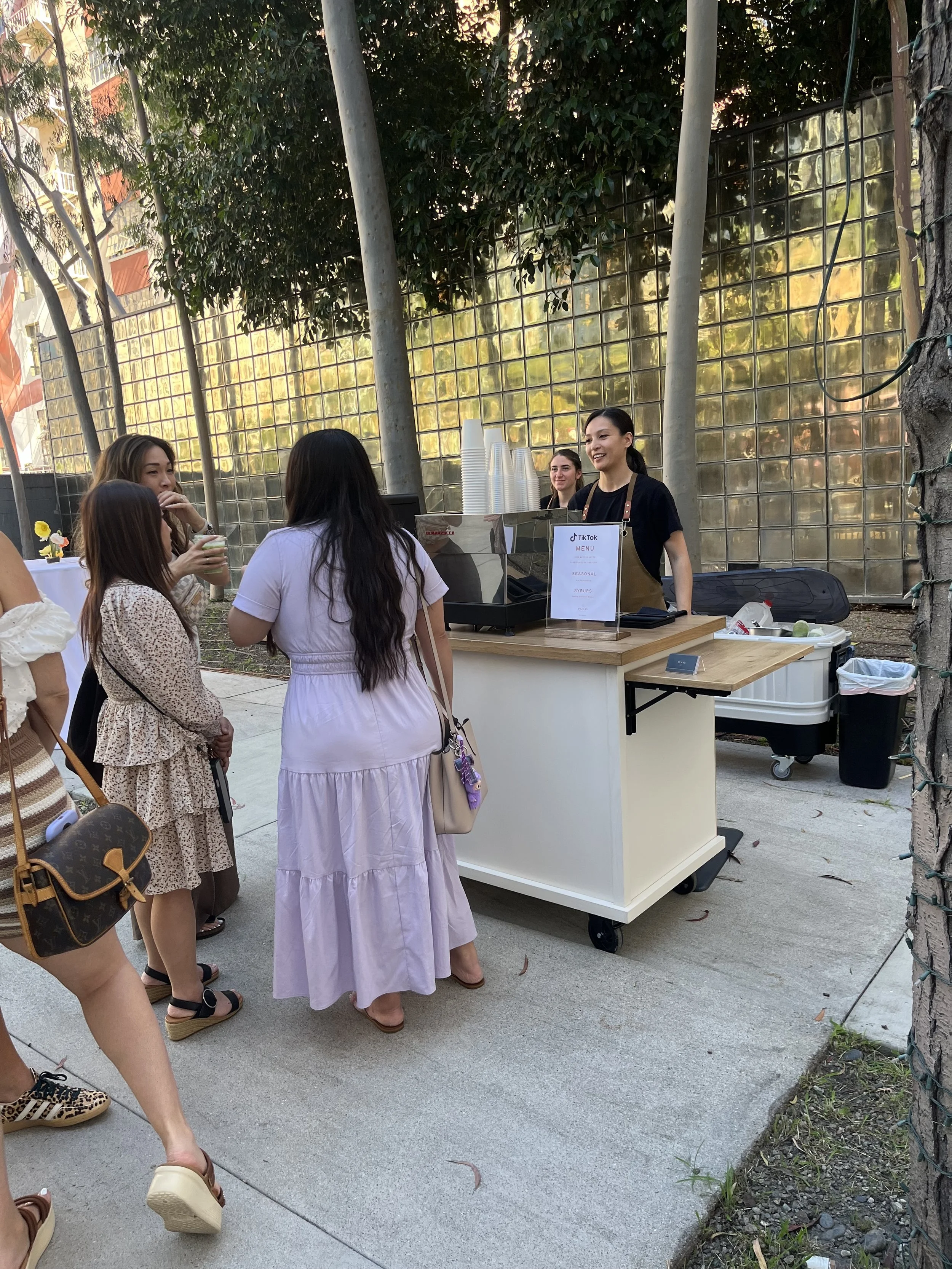
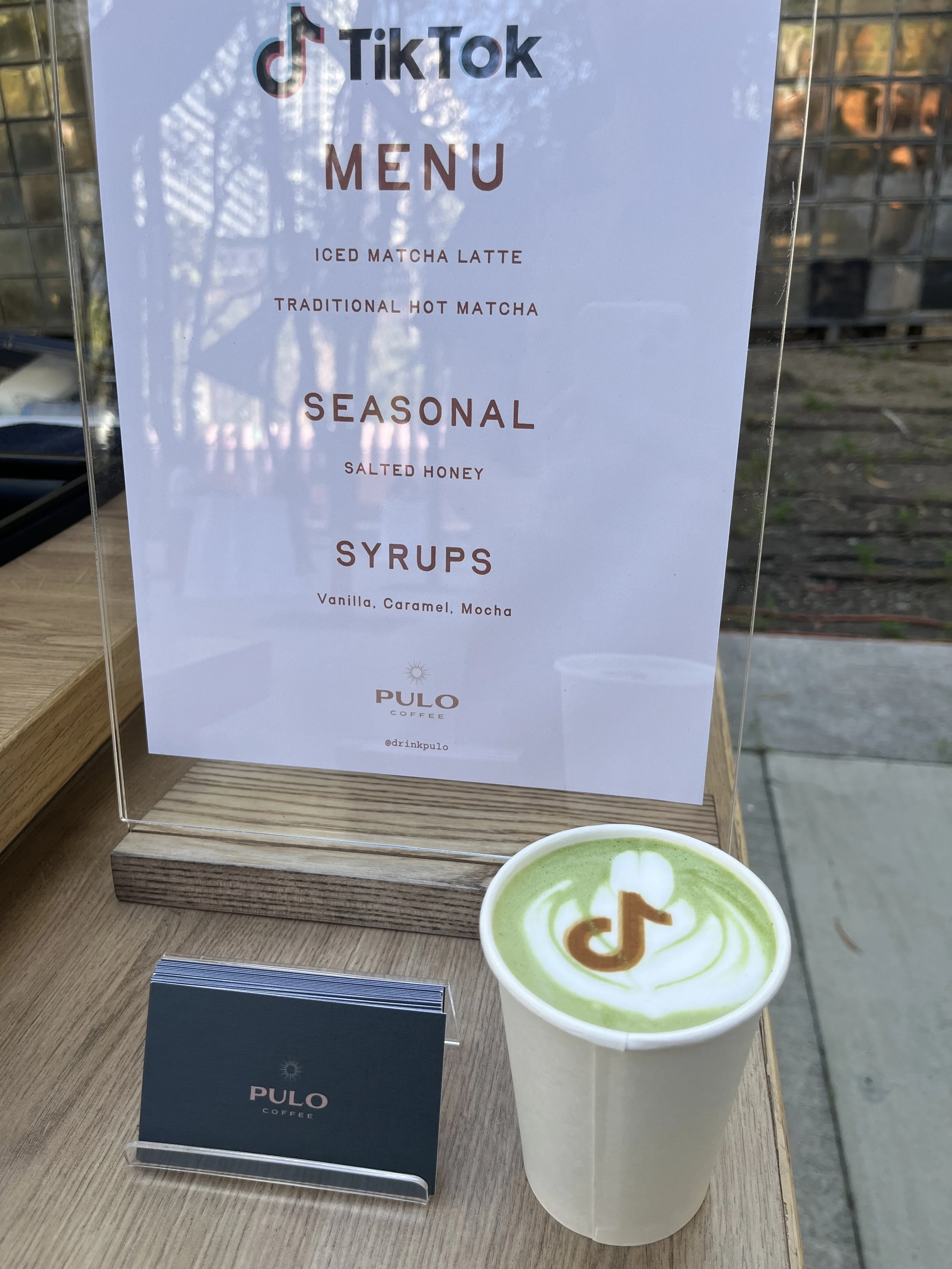
For example, made-to-order experiences like a coffee bar naturally increase dwell time and repeat engagement. People pause, wait, and often come back for a second interaction.
That built-in behavior directly supports the metrics that define ROI:
longer dwell time
deeper engagement
more conversations
It’s not about the product itself.
It’s about the behavior it creates.
If you're planning a brand activation in Los Angeles, you can learn more about how we approach brand activation coffee cart catering and what custom branding looks like in practice.
How to Measure Event Marketing ROI in Practice
You don’t need a complicated system to track activation performance. You need intentional touchpoints.
Here are simple, effective ways to measure event marketing ROI:
QR codes tied to the activation
Track post-event traffic and conversionsCampaign-specific elements
Custom naming, messaging, or design tied to the experienceSocial tags and UGC tracking
Measure what attendees choose to shareOn-site questions
“Have you heard of us before?”
“What brought you over?”Behavioral observation
Dwell time, repeat visits, and interaction patterns
If you’re planning an activation and want to ensure execution supports engagement, this guide breaks down how to estimate demand and avoid service bottlenecks:
→ How Much Coffee Do You Need for Your Event in Los Angeles? A Simple Drink Count Guide
Because when service slows down, engagement drops.
The ROI Most Brands Miss
Here’s what doesn’t show up in most reports:
The best activations don’t always convert on the spot.
They:
build familiarity
create positive association
influence future decisions
Someone might not buy from you at the event.
But when they see your brand again, it feels familiar.
And that familiarity is what drives action later.
Final Thought
If your only takeaway from a brand activation is:
“We had a lot of traffic”
You measured the easiest thing.
Not the most important one.
The real question is:
Did people engage deeply enough to remember you later?
Because that’s what defines real ROI.
If you’re planning a brand activation and want to design for real engagement, not just visibility, you can request a quote here:
→ Partner With Pulo
